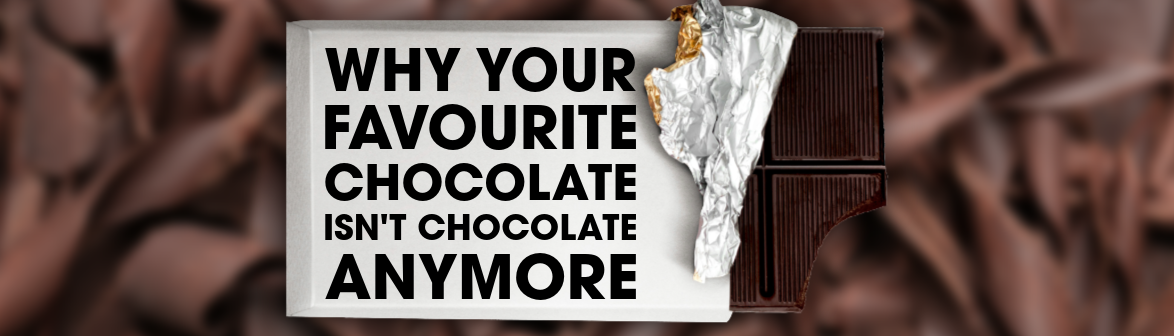
As soon as the Christmas decorations are packed away, supermarket shelves start filling up with Easter eggs - often at prices higher than last year. This annual trend isn’t just about inflation; it reflects a deeper, more concerning change in the chocolate industry.
The main reason supermarket chocolate is changing is simple: cocoa has become increasingly expensive. Global challenges such as climate change, poor harvests, and supply chain disruptions have pushed cocoa prices up year after year. For chocolate manufacturers, these rising costs pose a problem: how to maintain profit margins while keeping prices competitive.
The answer for many has been to cut corners. Instead of using high-quality cocoa in their chocolate, some brands reduce the cocoa content and substitute it with cheaper ingredients—most commonly palm oil. This practice may keep costs down, but it also changes the nature of the product. In fact, products with less than the legally required minimum cocoa content can no longer be called chocolate in many countries.
For many consumers, the chocolate they loved growing up is slowly disappearing, replaced by products that only look like chocolate.
According to UK regulations, for a product to be labelled as chocolate, it must meet certain cocoa content thresholds:
• Milk and white chocolate: at least 20% cocoa solids
• Dark chocolate: at least 35% cocoa solids
Anything that doesn’t meet these standards can’t be called “chocolate” and is often marketed as “chocolate-flavored” instead. This means that some products you grew up with - once considered genuine chocolate - are now legally just sweet treats with cocoa flavoring.
Palm oil is a common filler in modern supermarket chocolate. It’s cheap, easy to source, and extends shelf life, but it has nothing to do with real chocolate. While it may make the product smoother or creamier, it lowers the cocoa content and changes the taste and quality significantly. At Italyabroad.com, we don’t use palm oil in any of our products - chocolate or otherwise. We believe that true chocolate should always be made from real cocoa, not cheap substitutes.
Even chocolate brands that were once considered luxurious aren’t immune. Many now offer bars that aren’t far removed from regular supermarket chocolate, but with lower cocoa content.
For consumers, the key is to always check the ingredients list and cocoa percentage before buying. This ensures you’re actually getting chocolate - and not a sweet confection that only looks like chocolate. A high cocoa content not only gives a richer flavour but also ensures a more authentic chocolate experience.
At Italyabroad.com, we’re committed to keeping chocolate real. All of our products exceed the UK’s minimum cocoa requirements by far, so you can be confident you’re buying genuine, real chocolate. Beyond that, none of our product contains palm oil, because we believe chocolate should be natural and delicious, not cheapened by fillers.
While we don’t offer traditional Easter eggs this year, we do have a wide variety of unique artisan Italian chocolate. From the only DOP Modica chocolate to Cremini and Gianduiotti, our collection showcases the textures, flavors, and craftsmanship that real chocolate lovers crave. Whether you prefer dark, milk, or white chocolate, there’s something for every palate-including vegan milk chocolate -and every chocolate is guaranteed to be made with authentic cocoa, never substituted.
For anyone navigating the modern chocolate aisle, here are a few tips to ensure you’re buying the real deal:
1.
Check the cocoa percentage: The higher, the better. For milk chocolate, legally it must contain at least 20% cocoa solids; for dark chocolate, 35%.
2.
Read the ingredients: Avoid products with palm oil or other cheap fillers. Real chocolate should list cocoa mass, cocoa butter, sugar, and milk (for milk chocolate) as the main ingredients.
3.
Know your brands: Some supermarket chocolates are “chocolate-flavored” rather than genuine chocolate. Seek out artisanal or certified chocolate brands that guarantee authentic cocoa content.
4.
Taste matters: Real chocolate has depth, complexity, and texture that fillers can’t replicate. If it tastes bland or overly sweet, it may be more candy than chocolate.
The rise in cocoa prices and the trend toward cheaper ingredients isn’t just a seasonal issue—it’s a sign of how climate change and industrial pressures are reshaping the chocolate industry. Until our main concerns is price, our chocolate will contain less and less cocoa, read Andrea post on the
subject. If you want to enjoy authentic chocolate, you may need to adjust expectations: higher-quality chocolate can come at a slightly higher price, but the flavour and satisfaction are worth it.
At Italyabroad.com, we proudly champion
chocolate in its purest form. We source artisan chocolatiers who avoid palm oil, use only premium cocoa, and craft a diverse range of artisanal chocolates. Every piece we offer delivers the authentic taste and texture that real chocolate should have - genuine, indulgent, and utterly unforgettable.
 FREE DELIVERY FOR ORDERS OVER £100









 0
0 0
0 0
0