I’ve just returned from a short but intense trip to Italy, moving between two very different trade fairs in the space of a few days. Two events, two worlds, and one underlying theme: Italian food and drink are at a crossroads — and the direction they take matters more than ever.
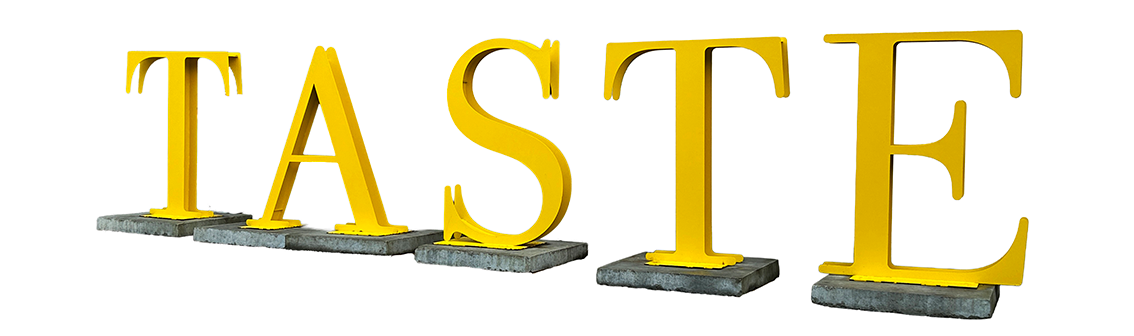
The journey started in Florence, at Taste. It was my first visit, and the name could not have been more appropriate. I tasted a great deal — not only food, but ideas. What stood out immediately was a clear return to tradition, especially in the food sector. Less obsession with novelty, more respect for ingredients, process, and culture. A rediscovery of how and why we eat, not just what we consume.
Meat and cheese were particularly impressive. Products made with care, patience, and knowledge — not designed to shout, but to be enjoyed. These are exactly the kinds of products we are always searching for, and we hope to stock some of them in the non too distant future.
That said, since Brexit, importing this level of quality into the UK has become increasingly complex. Small producers, working with high-quality ingredients and limited volumes, are the ones most affected. Large corporations, by contrast, seem to have navigated the system far more easily. The result? A shrinking availability of truly good food, and a gradual lowering of what ends up on our plates. When quality becomes harder to access, everyone loses.
Crossing the Apennines, the mood shifted dramatically. The second stop was the Beer Attraction fair, and the contrast with Florence could not have been starker. Very little remains of what was once known as the Italian craft beer movement. This may sound blunt, but it should not surprise anyone. Similar cycles have played out elsewhere: rapid growth, enthusiasm, fragmentation, and then consolidation.
To compensate for the absence of breweries, the event itself now feels unfocused — beer alongside soft drinks, spirits, low- and no-alcohol products, all competing for attention. You wander, hoping to stumble across something interesting, rather than being guided towards it. This time, fortunately, our preparation paid off and we did find what we were looking for.
I don’t attend fairs as often as I used to. They have become a business in their own right, and that has consequences. Organisers need big exhibitors. Small producers struggle to justify the costs. Big brands arrive with marketing budgets, light shows, and noise. Small artisans sit quietly in anonymous stands, hoping someone curious will stop. With few exceptions, crowds follow spectacle, not substance.
Taste, however, proved that another model is still possible. We found exceptional meats made without nitrites or nitrates, and cheeses produced by makers who control the entire filiera — from milk to finished product. This is the standard we look for: transparency, responsibility, and respect for raw materials and the environment.
One thing was impossible to ignore across both events: price. Quality food in Italy has become significantly more expensive, whether you are buying ingredients or eating out. From a simple panino to a bistecca alla fiorentina, costs have risen sharply. As a result, many places now advertise food based on price alone — and that is rarely a good sign. When price becomes the main selling point, quality is usually the first casualty.
Back at Beer Attraction, what struck me most was not just the absence of craft breweries, but the absence of curiosity. While a handful of small producers stood quietly, the large Peroni pavilion opposite was packed with people holding identical bottles. The idea of “drinking better”, which once fuelled the craft movement, seems to have faded.
This wasn’t my first visit to the fair. The last one was in 2022, and this is my
last post on the subject. The belief that every brewery born in a garage could survive was always unrealistic. A reorganisation of the industry was inevitable, and only the strongest — not necessarily the best — were ever going to last.
The real question now is not who survived, but what remains. And whether, in the coming years, there will still be space for quality, identity, and authenticity — the very values that made Italian food and drink worth caring about in the first place.
 FREE DELIVERY FOR ORDERS OVER £100









 0
0 0
0 0
0